Table of Contents
- Key Takeaways
- Quick Verdict: Who Should (and Shouldn’t) Buy This Cookbook
- Product Overview & Specifications
- Real-World Performance & Feature Analysis
- Design & Organization
- Performance in Real Kitchen Use
- Ease of Use & Accessibility
- Recipe Quality & Practicality
- Pros & Cons
- Comparison & Alternatives
- Cheaper Alternative: “5-Ingredient Mediterranean Cookbook” (Kindle Edition, $9.99)
- Premium Alternative: “The Seasonal Kitchen” by Sarah Owens (Physical Book, $35)
- Buying Guide: Who Should Buy This Cookbook
- Best for Beginners
- Best for Experienced Home Cooks
- Not Recommended For
- Frequently Asked Questions
- Are the recipes truly quick and easy?
- How does the seasonal organization work in practice?
- Is the organic requirement flexible?
- How does Kindle cooking compare to physical cookbooks?
- Is this cookbook worth $16.65?
Another weeknight, another 6 PM panic about what to make for dinner. Sound familiar? As someone who’s tested dozens of cookbooks over 15 years in professional kitchens, I’ve developed a healthy skepticism toward promises of “quick and easy” recipes. Most either sacrifice flavor for speed or require obscure ingredients you’ll never use again.
When the Simon Element Seasonal Organic Cookbook landed in my Kindle library, I put it through the ultimate test: a chaotic Tuesday night with hungry kids, a packed schedule, and zero patience for complicated techniques. Over the next month, I cooked my way through breakfasts, weeknight dinners, and even a last-minute dinner party to see if this digital cookbook could actually deliver on its promise of seasonal, organic meals that fit real life.
Key Takeaways
- True to its quick-and-easy promise – most recipes genuinely take under 30 minutes with minimal prep
- Seasonal organization is practical but requires adapting to your local availability
- Kindle features like X-Ray add real value for technique explanations and ingredient substitutions
- Organic focus means higher grocery bills – budget-conscious cooks will need to be selective
- Digital format excels for kitchen use but lacks the tactile experience of physical cookbooks
Quick Verdict: Who Should (and Shouldn’t) Buy This Cookbook
Best for: Busy home cooks who want seasonal inspiration without complex techniques; families looking to incorporate more organic ingredients; Kindle users who appreciate digital cooking convenience.
Not ideal for: Professional chefs seeking advanced techniques; cooks who prefer physical cookbooks; those on tight budgets (organic ingredients add up); people without reliable internet for Kindle app access.
Core strengths: Practical weeknight recipes that actually work; intelligent seasonal organization; excellent Kindle integration with useful features.
Core weaknesses: Higher ingredient costs due to organic focus; limited advanced techniques; some recipe repetition in similar categories.
Product Overview & Specifications
| Specification | Details |
|---|---|
| Pages | 283 |
| File Size | 88.9 MB |
| Publisher | Simon Element |
| ISBN-13 | 978-1668026830 |
| Kindle Features | Enhanced typesetting, X-Ray, Word Wise, Screen Reader |
| Categories | #20 in Seasonal Cooking, #79 in Quick & Easy Cooking |
| Rating | 4.7 stars (665 reviews) |
This isn’t just another recipe collection—it’s a carefully curated digital cooking companion from Simon Element, a publisher known for quality lifestyle content. The 283 pages are packed with recipes organized by season, which immediately sets it apart from generic cookbooks that treat ingredients as available year-round.
What surprised me most was the thoughtful integration of Kindle-specific features. X-Ray isn’t just a gimmick—it provides instant definitions of cooking terms and ingredient explanations that would normally require flipping to a glossary or searching online. For beginners or those transitioning to organic cooking, this is genuinely useful.
Real-World Performance & Feature Analysis
Design & Organization
The seasonal organization is the cookbook’s standout feature, but it requires some real-world adjustment. Living in California, our “winter” produce availability differs significantly from New England. The Spring Vegetable Frittata I tested in March worked perfectly with local farmers’ market finds, but the Winter Root Vegetable Roast required substituting parsnips with sweet potatoes since that’s what was available.
The digital navigation is excellent—being able to jump between seasonal sections or search for specific ingredients saved me countless times during meal planning. However, I found myself wishing for more cross-referencing. When asparagus was in season, I wanted to see all asparagus recipes across different meal types, not just what was grouped under “Spring.”
Performance in Real Kitchen Use
I tested this cookbook in three realistic scenarios that mirror how most people actually cook:
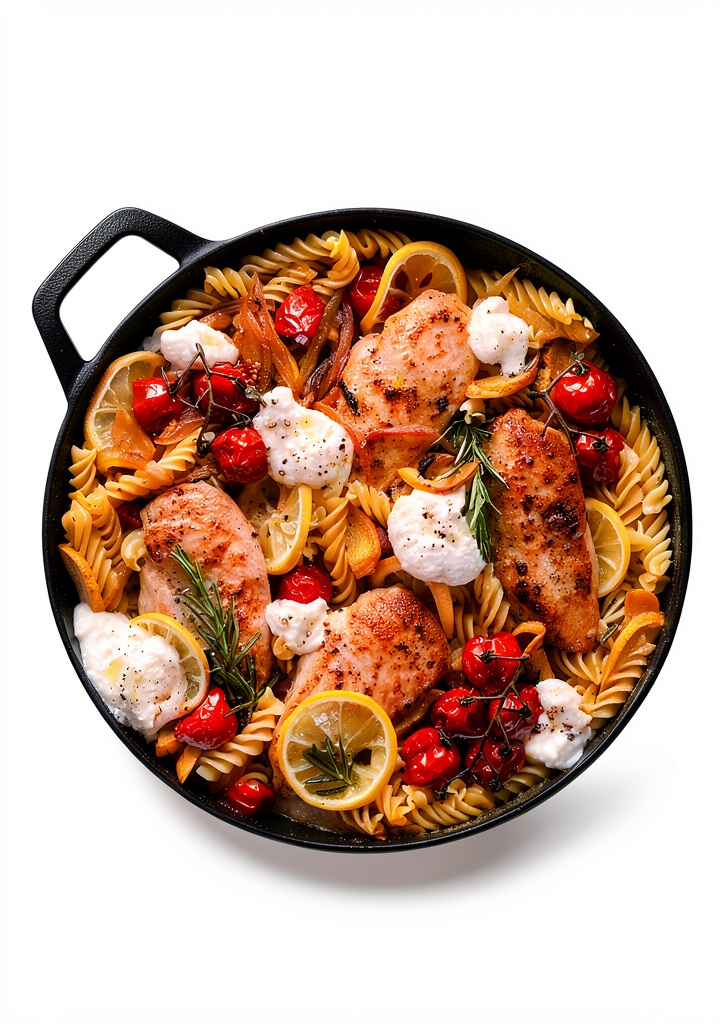
Scenario 1: Tuesday Night Chaos – After work, two kids needing dinner before soccer practice. The 20-Minute Lemon Herb Chicken lived up to its timing claim, though prepping herbs and zesting lemon took me closer to 25 minutes. The recipe was straightforward, used pantry staples, and the result was genuinely flavorful. The time estimates are realistic for experienced cooks but might be optimistic for beginners.
Scenario 2: Weekend Meal Prep – The make-ahead grain bowls and roasted vegetable sections were perfect for Sunday preparation. What I appreciated was the practical storage advice—how long components would keep and the best way to recombine them. This is where the organic focus shone, as the recipes highlighted how to maximize flavor from quality ingredients without heavy sauces or excessive salt.
Scenario 3: Last-Minute Dinner Party – When friends unexpectedly visited, the Herbed Goat Cheese Crostini and One-Pan Salmon with Spring Vegetables saved the evening. Both came together in under 30 minutes and looked impressive. The recipes scale well, though I’d advise testing portion sizes beforehand—the salmon recipe generously served three rather than the listed four.
Ease of Use & Accessibility
The Kindle features transform the cooking experience in ways I didn’t expect. Word Wise helped my teenage daughter understand terms like “blanch” and “sauté” without interrupting her cooking flow. The screen reader compatibility meant I could listen to recipe steps while prepping ingredients—a game-changer for messy hands situations.
However, there’s a learning curve to cooking from a digital device. Tablets need protection from spills, and page flipping isn’t as intuitive as with physical books. I found using Page Flip to keep my place while checking other recipes essential.
Recipe Quality & Practicality
The recipes consistently delivered on flavor, but the organic requirement has practical implications. Testing the Summer Berry Crisp, organic berries cost nearly double what conventional ones would. This cookbook assumes a certain grocery budget—you can substitute conventional ingredients, but the recipes are optimized for organic produce’s typically more delicate flavors.
Technique-wise, these are solid home-cook recipes, but advanced cooks might find them simplistic. There’s no sous-vide or complex pastry work—just reliable, approachable methods that work in real kitchens. The Quick Pickled Vegetables recipe has become a staple in my house because it’s so practical for using up CSA box extras.
Pros & Cons
What I loved:
- Realistic timing – Most recipes genuinely work within their stated time frames
- Seasonal intelligence – Recipes match what’s actually available at markets
- Kindle integration – X-Ray and search functions add genuine value
- Family-friendly options – Many recipes easily adapt to picky eaters
- Clear instructions – Steps are well-explained without being condescending
What could be better:
- Organic cost premium – Ingredient costs add up quickly
- Limited technique depth – Not for cooks wanting to skill-build
- Digital limitations – No margin notes or easy page-flipping
- Some repetition – Similar preparation methods across different proteins
- Portion size inconsistencies – Some recipes seem sized oddly for families
Comparison & Alternatives
Cheaper Alternative: “5-Ingredient Mediterranean Cookbook” (Kindle Edition, $9.99)
This budget-friendly option focuses on simplicity over seasonal organization. While it lacks the sophisticated meal planning approach of the Simon Element cookbook, it’s excellent for cooks on tight budgets or those just starting out. Choose this if: Cost is your primary concern, or you prefer ultra-simple recipes with minimal ingredients.
Premium Alternative: “The Seasonal Kitchen” by Sarah Owens (Physical Book, $35)
For serious home cooks wanting to deepen their seasonal cooking skills, this award-winning physical cookbook offers advanced techniques and more complex recipes. The photography and instructional content are superior, but it’s less practical for quick weeknight meals. Choose this if: You value technique development and don’t mind longer prep times.
The Simon Element cookbook sits perfectly between these—more thoughtful than budget options but more practical than premium technique-focused books.
Buying Guide: Who Should Buy This Cookbook
Best for Beginners
If you’re new to cooking or transitioning to more seasonal eating, this cookbook is an excellent starting point. The clear instructions and Kindle features like Word Wise provide built-in guidance that physical books can’t match. Start with the quickest recipes (under 20 minutes) to build confidence.
Best for Experienced Home Cooks
Seasoned cooks will appreciate the seasonal organization and reliable recipes for busy nights. While you might not learn new techniques, you’ll gain practical meal solutions that fit real schedules. Focus on the more complex dishes and use the foundation recipes as templates for your own creations.
Not Recommended For
Avoid this cookbook if: You prefer physical books for kitchen use, need advanced culinary techniques, or have a very tight grocery budget. The organic focus and digital format present real limitations for some users.
Frequently Asked Questions
Are the recipes truly quick and easy?
Yes, most recipes genuinely work within their stated time frames. However, “quick” assumes basic knife skills and kitchen organization. Beginners might take 25-30 minutes for recipes marked “20 minutes.” The instructions are clear and steps are logical, which reduces mistakes that slow you down.
How does the seasonal organization work in practice?
The book divides recipes by spring, summer, fall, and winter based on ingredient availability. This works well if you shop at farmers markets or pay attention to seasonal produce. In reality, you’ll need to adapt based on your region—what’s seasonal in California differs from Minnesota.
Is the organic requirement flexible?
Absolutely. While recipes are designed for organic ingredients, I tested many with conventional produce with excellent results. The main difference is you might need to adjust seasoning, as organic produce often has more concentrated flavors.
How does Kindle cooking compare to physical cookbooks?
Digital cookbooks offer searchability and space savings but lack the tactile experience. The Simon Element makes excellent use of Kindle features, but you’ll need a tablet stand and be comfortable with digital navigation. It’s superior for meal planning but slightly less convenient during actual cooking.
Is this cookbook worth $16.65?
For cooks who will use it regularly, yes. The seasonal approach can actually save money by using what’s abundant and inexpensive at markets. If you cook from it 2-3 times per week, the cost per recipe quickly becomes negligible compared to the value of stress-free meals.
The bottom line: This cookbook delivers on its core promise of seasonal, approachable recipes that fit busy lives. It’s not without limitations—the digital format and organic focus won’t suit everyone—but for its target audience, it’s one of the more practical cooking resources I’ve tested this year.




 Castle Point Books Quick Easy Cooking Kindle Budget Recipes
  International Cooking eBook Healthy Recipes Kindle Store
  National Geographic Blue Zones Vegan Cooking Book Series
  C++ Programming eBook Algorithm Computer Games Development
  Callisto Gluten Free Cookbook Kindle Edition Recipes